

A London Sound: The Evolution Of Jungle Music

Exploding onto the UK dance music scene in the early 90s, jungle’s evolution can be traced back to early reggae sound system culture and the blossoming European rave movement. From hardcore and breakbeat to early drum and bass, here’s our take on the rise of jungle.

Musical Roots

As is the case with any art form, music doesn’t emerge from a vacuum; genres exist as a reflection, reinterpretation or resistance of those that came before. As such, no discussion of jungle (or any modern dance music) would be complete without acknowledging the cultures from which it came. An amalgamation of roots, dancehall, reggae, dub and hip-hop, jungle exists as a continuation of the sound system culture nurtured by Black communities in London and around the world. 

From the soundsystem culture of the 1970s and 80s emerged a community of music lovers and dubplate connoisseurs, eager to bring new music to crowds and dancefloors. London-based systems such as Fatman Hifi, Coxsone and King Tubby’s were the point of reference for new sounds, playing the freshest pressings from around the world out of bass-heavy rigs; simultaneously informing and reflecting people’s love for the genres.

Breakbeat Hardcore

By the late 1980s, dub, reggae and ska were largely usurped by house music, a genre championed by Chicago’s Queer and Black communities. However, as the genre became increasingly commercial, it was only a matter of time before the underground made way for a new scene; enter rave and breakbeat hardcore.

The early 90s saw breakbeat hardcore rise to prominence, blending elements from the happy hardcore, hip-hop, breakbeat and techno being exported from Europe and America. This sample-heavy genre was characterised by meticulously chopped breaks (commonly lifted from hip-hop, funk and soul records), four-to-the-floor kicks and acid basslines synonymous with hardware such as the Roland TB-303. As we’ll get onto a little later, this scene was tied to the illegal raves taking place all over the UK.

As is often the case with grass underground movements, hardcore’s light burned brightly but was somewhat short-lived in comparison to its house and techno counterparts. By the early 1990s, the incandescent flame of hardcore began to flicker. Tied to media controversy and illegal raves, the genre retreated underground and a metamorphosis began.

Early Iterations

While the exact moment of inception is subject to debate amongst junglists even today, the track ‘We Are IE’ by Lenny Dee Ice is often cited as the first to collate all elements of the genre. Released in 1991, the track blends simplistic amen break cuts with hypnotic vocals and a deep sub-bass. That said, with a slower tempo of 136bpm, it is often labelled as breakbeat, hardcore or proto-jungle. 

Regardless of classification, Lenny Dee Ice’s track mirrored a transformation occurring on a wider scale; dance music had once again escaped the clasp of major labels and returned to the place from which it came: the people. The seeds of jungle were sewn, and they were big, bad and heavy. 

As the genre emerged, the terms “jungle techno” and “hardcore jungle” became popular to describe the transition from breakbeat hardcore to jungle music. This sound made its name through club nights such as A.W.O.L, Roast and Telepathy, championed by artists such as DJ Ron, DJ Hype, Mickey Finn, DJ Dextrous, and Kenny Ken.

The Junglist Massive: Records, Radio & Raves 

Described as Britain’s answer to US hip-hop, jungle was born and raised in home studios, pirate stations and warehouse raves. The latter of which played a crucial role in the mysticism and excitement associated with the genre. As the music gained popularity among ravers up and down the country, a number of pirate radio stations and DIY record labels emerged, championing the sound and shedding light on a new generation of musicians and producers. 

Labels such as Reinforced, Suburban Base, Moving Shadow and Basement Records pressed the latest and greatest from producers and MCs all over, providing DJs with dubplates (one-of-a-kind, unreleased vinyl pressings) and igniting dancefloors. Meanwhile, pirate radio stations (DIY studios, often situated in disused flats with crudely assembled antennae) such as Kool FM were broadcasting the sound throughout London, alerting ravers as to the location of raves and providing a space in which the boundaries of the genre could be expanded. 

Classification & Characteristics

So what makes a jungle track? Ask this question at a record store or rave, and you’ll be swarmed by audiophiles desperate to give their two cents on the matter. ‘It’s all in the bpm’. ‘It’s the way the breaks are cut’. ‘It’s the samples’. ‘It’s a feeling!’. The truth is that there are a number of unifying traits that can be found throughout the genre. The consensus is generally as follows: 

Tempo

Typically, jungle sits around the 160-170bpm mark, though earlier, post-breakbeat tracks started out as slow as 150-155bpm during the genre’s inception. 

Breaks

Without breakbeats, there would be no jungle. The genre’s loose, energetic sound can be credited to the sampling and resampling of first and second generation funk, soul and hip-hop breaks. Drum breaks from records such as ‘Amen, Brother’ by the Winstons, Lyn Collins’ ‘Think (About It)’ and ‘Funky Drummer’ by James Brown were sampled, pitched, sped and chopped to form rhythmic patterns synonymous with jungle.

Samples

Jungle’s richness and diversity is due to the sample-heavy process through which the tracks are produced. Everything from Reggae, Ska and Dub to Hip-Hop, Techno, Jazz and Soul was recontextualised by rolling breaks and guerilla sampling techniques. Be it rave stabs, pianos, vocals, orchestras or film dialogue, jungle is a genre rooted in experimentation and amalgamation.

Take, for example, ‘Burial’ by Leviticus. This 1994 jungle anthem samples the opening four bars of ‘Mademoiselle’ by Foxy, released in 1978. Likewise, ‘Valley of the Shadows’ by Original Unknown lifted a section of speech from the 1988 BBC documentary ‘Glimpses of Death’.

Production Techniques

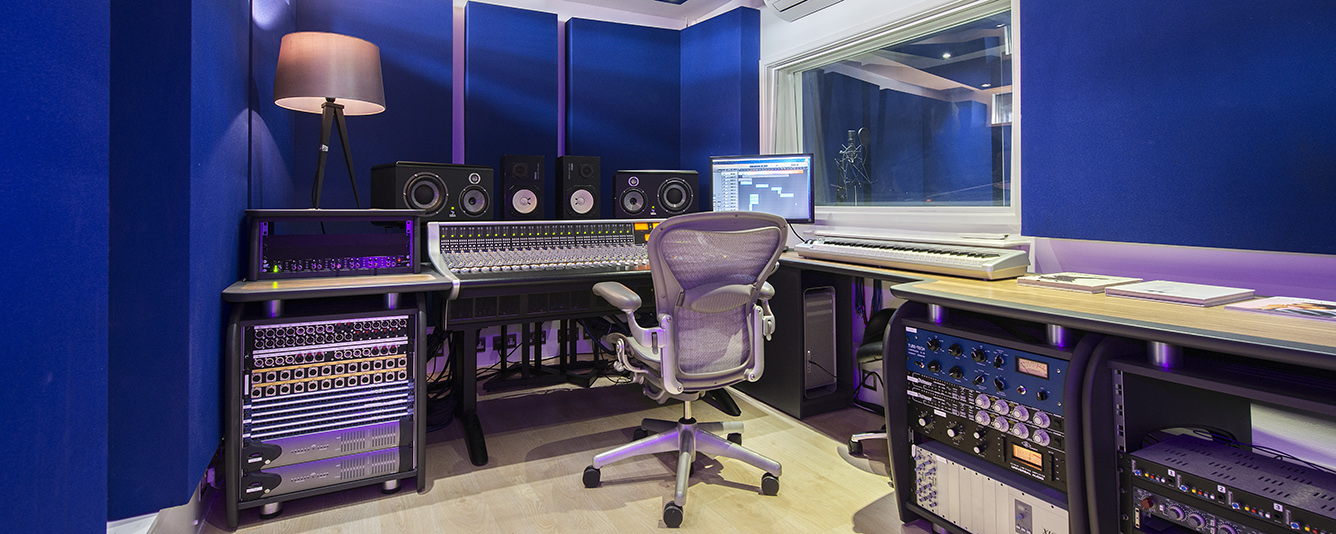
Integral to the music is the means through which it is produced. A genre born in low-budget bedroom studios on easily accessible gear, jungle owes its distinctive crunch and bass to the hardware and equipment available in the early 1990s. 12-bit samplers such as the Akai S950 were coupled with sequencing software such as Cubase to chop, cut, layer and arrange samples and breaks into club-rumbling rhythms. Most notably, the S950 was famed for its ‘time-stretch’ feature, a form of sample elongation with a distinctive alien-esque sound that became a staple of the genre. 
Here at ACM, we understand the importance of looking back in order to step forward. With a deep understanding of genres’ rich histories, we keep our sights set firmly on the future, encouraging non-linear innovation and experimentation to ensure that our students are equipped with the transferable skillset required to thrive in modern industry. Discover our range of courses and kickstart your journey today.


London Legends: Our Guide To The City’s Infamous Open Mic Nights

From intimate jazz jams to lively blues sessions, open mic nights offer the perfect platform to test material, build confidence and connect with fellow artists. Whether you’re taking your first steps on stage or looking to refine your live performance, these venues are where the magic happens.

Here are some of the city’s best open mic nights.

Troy Bar, Hoxton, N1 6NG

Slap bang in the heart of Hoxton, Troy Bar is known for its eclectic mix of musical genres and high-energy performances. Framed by low ceilings and an intimately positioned audience, the venue’s ‘Hoxton Jam’ nights are a staple for local artists and enthusiasts alike. Despite the cosy arrangement, Troy Bar is no stranger to six, seven and even eight-piece bands, conjuring an atmosphere of experimentation and free-flowing creative collaboration.

Thanks to its welcoming atmosphere and supportive community, Troy Bar offers musicians a chance to showcase their talents alongside like-minded musicians. Whether you’re into jazz, funk, soul, folk or rock, this venue provides a stage for every taste. 

Ronnie Scott’s, Soho, W1D 4HT

A venue that needs no introduction, Ronnie Scotts is widely agreed as one the most iconic live music spots in London, playing host to many of the world’s greatest jazz musicians. From Miles Davis, Thelonious Monk and Ella Fitzgerald to Art Blakey, Stan Getz and Duke Ellington, countless creative geniuses have graced the stage.

As far as open mic nights go, Ruby Sings at Ronnie Scotts rivals the best, offering an array of vocalists a chance to hone their skills alongside a live band. Whether you’re into R&B, hip-hop, neo-soul, pop, jazz or funk, the club’s rich history and intimate setting make it a must-visit for any music lover.

The Blues Kitchen, Camden, NW1 7JN

If you’re looking for a spot with a lively, enthusiastic atmosphere, The Blues Kitchen in Camden is the place to be. Known for its regular “Sunday Blues Jam” sessions, this venue is a paradise for blues lovers and musicians eager to dive into the genre. The open mic nights here are a blast, with dynamic performances and plenty of opportunities to jam with talented artists. The rustic decor and soulful vibes set the perfect stage for a night of music and good times. Whether you’re up there playing or just soaking in the sounds, The Blues Kitchen guarantees an unforgettable experience.

The Spice of Life, Soho, W1D 5NA

Sat on the corner of Moor St, Soho, The Spice of Life is a gem for music lovers, offering a variety of events, including the popular “Jazz Notes” jazz jam. This spot is famous for its eclectic mix of acts and is known for welcoming new artists with open arms. The open mic nights here are perfect for musicians wanting to try out new material and connect with an open-minded audience looking to experience real musical variety.

With its intimate setting and lively crowd, The Spice of Life is an ideal place for artists to refine their craft and gain valuable performance experience.

Open Mic Nights: A Rite Of Passage

Open mic nights are an integral part of the UK’s music scene, acting as a stepping stone for musicians of every persuasion. Countless internationally acclaimed artists cut their teeth in dimly lit bars and energetic backrooms, laying the foundations for hugely successful careers. The likes of Bob Dylan, Adele, Tracy Chapman and ACM’s very own Ed Sheeran kicked off their careers at these grassroots events, honing their skills and building confidence in front of live audiences. 

These nights aren’t just about performances; they’re a long-standing tradition that encourages creativity, collaboration, and growth. If you’re umming and ahhing, here are three reasons to make the leap and take to the stage:

Testing New Music

For songwriters and instrumentalists alike, open mic nights are a chance to test new music and arrangements in what would generally be considered a low-stakes, supportive environment. That’s not to say you shouldn’t give it your all, but there is certainly less pressure than that of a headline show or big gig.

Whether you’re looking to experiment with alternative compositions, road test new material or refine your live performance, open mic nights offer an invaluable opportunity to grow as an artist. 

Building Confidence

Ask any professional musician and they’ll tell you that the only way to get used to playing in front of a crowd, is by playing in front of a crowd. There’s no way around it. If you’re looking to begin your journey as a live musician, regular performances are the best way to develop stage presence and confidence. The supportive environment of open mic nights allows artists to overcome the anxiety of expression and become more comfortable performing live.

Making Connections

Of course, it’s not all about the time you spend on stage. In fact, you may find that true opportunity lurks in the audience or by the bar. Musicians, promoters, publishers, venue owners and industry professionals are often found at open mic nights, enjoying local talent and keeping an eye on up and coming artists.

Taking the time to talk to other musicians and audience members is among the most beneficial aspects of an open mic night; conversations can lead to connections and these connections can lead to collaborations, gigs, and even recording opportunities. After all, you never know who’s watching. 
Looking to take your first step towards a promising career in music? Discover the courses that ignite careers here at ACM.

ACM @ WASD 2024

This year ACM students have demonstrated their work at Guildford.Games, BETTshow 24, Insomnia #i72 and, most recently, WASDLive, part of London Games Month. Why? Because every event is a chance for students to learn about networking, marketing, release schedules, employability and so much more.

Showcasing over 20 playable demos students from all three campus’ took WASDlive by storm, showcasing everything from large format group projects to short timeline Game Jams. We also had some fabulous industry visitors from Playground, Frontier, SuperCell, Devolver, London Games Month, Yogscast, SpecialEffect, Limit Break, Plaion/Atari to talk to the students about a variety of specialist subjects.

Have a look at this 3 minute video of the games we showed (a couple were shy and want to wait until June 🙂 ) and, please understand, the banging soundtrack is by an ACM music student naturally!

Coming Back After Holidays | Issue 3

The emotional toll that comes with returning to university can be unexpectedly painful.

For those of us who have moved away from a busy and loving home life, whether away from family, friends or even both, coming back after a short break can be a huge shock to the system.

 After spending a few weeks at home having to return to our quiet rental student rooms, where we might not always get on with our flatmates, can be scary. Being unsure of the silence and how to get back into your routine to be ready for lessons the next day, can be quite daunting. 

I just wanted to tell you that, you are not alone. Many of us feel this way too. Others may feel the polar opposite, and be happy to run away from home for term time. But that doesn’t disvalue your feelings. 

When I’m feeling this way, I like to make sure I have a whole day to myself before getting back into the swing of things. I call this a reset day. I will start by making a short list of tasks that need to be done, followed by some forms of self-care to help me regain some clarity and positivity. Sometimes, cleaning your room or re-organizing it can help you feel better. If you’re feeling lonely, try striking up a conversation with a flatmate over dinner, instead of hiding out in your room until they are gone. (Which I’m guilty of too) You never know, that 5-minute conversation might lead to a friendship.

If you are ever struggling with anything, please reach out to your friends, family, or even the wellbeing team here at ACM. Their email is: wellbeing@acm.ac.uk 

If you’d like to join our team or have an opinion on this, email us at thebuzz@acm.ac.uk 

ACM Sounds Birmingham @ The Actress & Bishop | Issue 3

Two reviews for the price of one! Libbie checks out Birmingham’s regular ACM Sounds events.

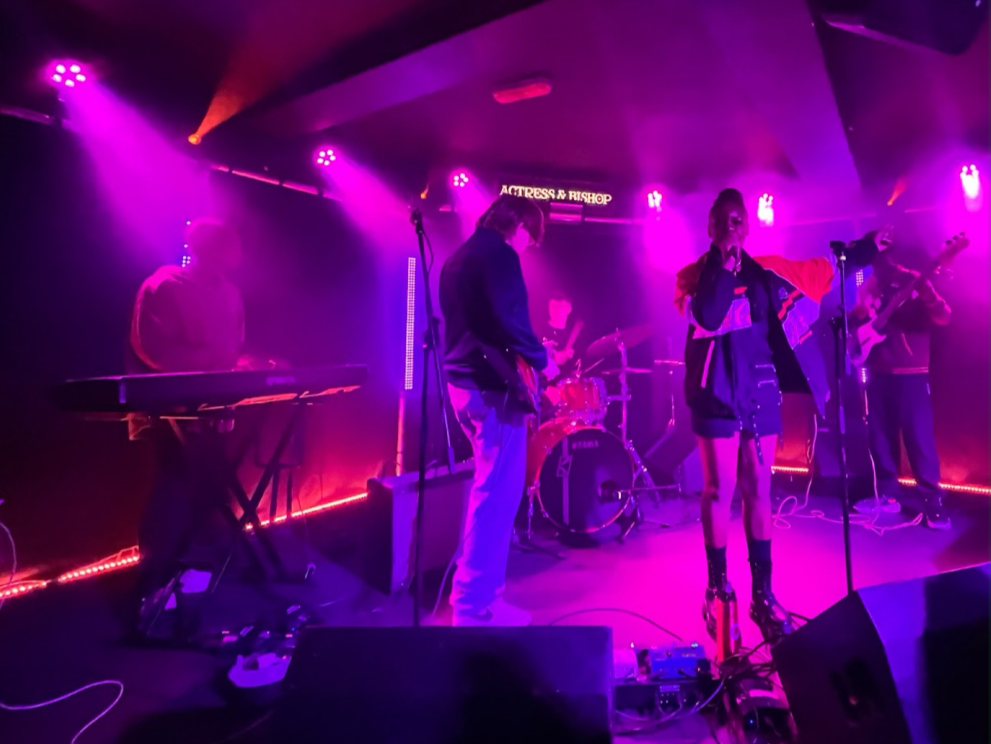
What an awesome night. Three unique and talented acts ACM bands showcase at the Actress & Bishop, kicking off with an ACM staff band called FFANCLWB. A rocking drum and bass guitar duo with epic stage presence and vocals, they get our attention and start heads bobbing to their original rhythm and sound.

They were followed by The Limes, who perform a set of originals and covers. They get the crowd singing, dancing and clapping along to all their songs and deliver a fantastic show. Headliner Meraki Bey, is an angelic soulful rock vocal fusion that commands the stage. A set of all original songs from recent album releases showcased the excellence of her music and sound. Not only is she a singer, but she is a songwriter and producer too. A woman of many talents and drive and someone I’m sure will go far in the industry. 

The night as a whole was very high spirited and full of love and support for all the acts. Even in between bands tunes were being bumped by talented DJ Anil Banger (who is a student on the second year Level 3 Diploma course at ACM). Go all of us. 

Keep track and check out all the evening’s acts:

FFANCLWB

The Limes

Meraki Bey

DJ Anil Banger

Once again ACM Birmingham hosted another fantastic Sounds evening at the Actress & Bishop. An evening that was full of fun and pulsed with an electric atmosphere! Everyone was amazing – from the performers to the crowd! 

The night kicked off with Cherrydead’s very own guitarist Evie Hall! Her captivating acoustic performance was a world away from her awesome guitar skills in heavy metal girl power rock band Cherrydead. She performed a beautiful set of original songs, which moved the audience and showcased her incredible voice and her individuality! 

After a short break, the night was pumped up by the awesomely unique Not For Sale, who are a folk/ rap band – who injected the room with an abundance of energy and enthusiasm! Their set was solely originals with a sprinkle of covers and their guitarist Ioan performing a few acoustic songs of his own. They were brilliant and certainly got the crowd hyped – plus they handed out signed setlists, which everyone in the audience went mad for!

Keeping the vibes going, was the sensational Nicole Blakk. She dominated not only the stage but the whole room! She performed mostly originals that were so relatable and emotive. Her power vocals made it so the night was her own. I could have continued to listen to more, she is an unbelievable talent that we all need to look out for! Overall, the night was a shining success and an incredible evening to showcase the next generation of music! 

(LP)

Up Next | Sab Finlay-Smith | Issue 3

Already showing incredible promise off the back of her directorial debut Exteriors, Sab Finlay-Smith seems to be just who the Gaming Industry needs today.

The gaming industry is undoubtedly male dominated and largely caters by design to a male dominated audience. Consider FIFA, one of the most popular gaming franchises, they only added international female teams and players in its 23rd release, FIFA 16, then did not add women at a club level until its 30th, FIFA 23.

Women when they are incorporated into games often tend to be secondary, sexualised or lacking any real depth. Fortunately, this is changing with an increasing number of women having their say in the gaming community; be that in Xbox Parties, gaming forums or at an employment level in the studios creating what we then get to play.

This is where Sab comes in. Progressive, level headed and dedicated, she has aspirations of tapping into an untouched market. if you Google ‘videogames for women’ the top results are almost all pretty two-dimensional; simplistic, cutsey, even demeaningly childish. Sab is after games for women that aren’t superficial, that  provide deeper stories, address darker subject matter and deliver important messages we can actually learn from. Channelling her lived experience, she’s carving a place for herself in the industry and is curating the games she wishes were available when she was growing up.  

Speaking of the freedom you find in game design, your boundaries are massively broadened – if there are any at all. You get to design your own environment, its physics and envision beyond the restrictions you may have to work around when dealing with a physical medium. This enables just the type of blossoming vision Sab possesses, with ideas that branch out, beyond the obvious playable experience and that leave an impression of the user’s psyche. 

Games may be the medium but at her heart Sab appears a passionate, enthused storyteller and an advocate and this has only enhanced her ability to create impressive and thought-provoking narratives as seen in Exteriors. Speaking on how she got into game design, ‘it just happened and it just felt right.’

Having already demonstrated her potential with her directorial role on Bad Studio’s Exteriors, Sab is an individual who has found themselves in just the industry that needs her, at a point where she could seriously make waves; with a wealth to offer and a heart aching to speak out, there is little doubt that years down the line she will be an established creative with a myriad of accolades. 

To keep track of Sab’s endeavours and for updates on future projects, including the immensely intriguing The Lens That Wonders, visit her website.

Linkedin

Let’s hear your thoughts: thebuzz@acm.ac.uk

@the.buzz.magazine on Instagram

Electrical Nights opens with a toe tapping Blues, Soul and Jazz Night | Issue 3

Temporarily transporting Guildford’s Electric Theatre into an eclectic contemporary speakeasy, A chilly night out in Guildford was warmed up by the effortlessly beautiful sounds of Tutor Ensemble Mike, Nat, Sean and Ari. In attendance, Rhi Kinnair and Jack O’Sullivan share their thoughts.

ACM tutors treated us to an exceptional performance incorporating soulful covers, Mike Nichols’ passionate compositions, and even a rendition of a cheesy 70s theme song.

This performance, the first of the newly established ‘Electrical Nights’ events, certainly didn’t disappoint. It’s not often students get to see their mentors and lecturers doing what they love most. Seeing them in action, out of the classroom, was enchanting and inspiring. 

Incorporating a double bass during the first few songs of the set made an incredible addition to the night. The warmth and intensity bounces off of the building’s glass walls, filling up the room entirely with a satisfying buzz that can only be compared to stepping off of a plane into tropical heat.

Nichols’ own compositions with mesmerising drum fills coupled with catchy basslines and dreamy guitar riffs that you could almost sink into, went down a treat. Passion was evident throughout the performance, and the eminent chemistry between the musicians was clear to see. 

An honourable mention is due for their cover of Friday Night At The Cadillac Club, where the jazzy bassline and the sweet sound of fluid guitar riffs make an uplifting and inspiring sound.

Ari, with her powerful, soulful and heartfelt vocals, joined the band for the second set. There really is no doubt about it – her voice is one of a kind and absolutely has to be heard live. Showcasing gorgeous vocal inflections with a range of songs including  The Thrill Is Gone and Slim Pickings, it felt truly magical to be in her presence.

Be sure to keep up to date with Electrical Nights as it seems they have an evening for everyone, from D&B to an 80s Rewind and a singer/songwriter evening

Nat Martin

Mike Nichols

Sean Kane

Ari Tahan

(RK w/ JOS)

Cherrydead and Amethyst – Colours Unleashed @ Subside | Issue 3

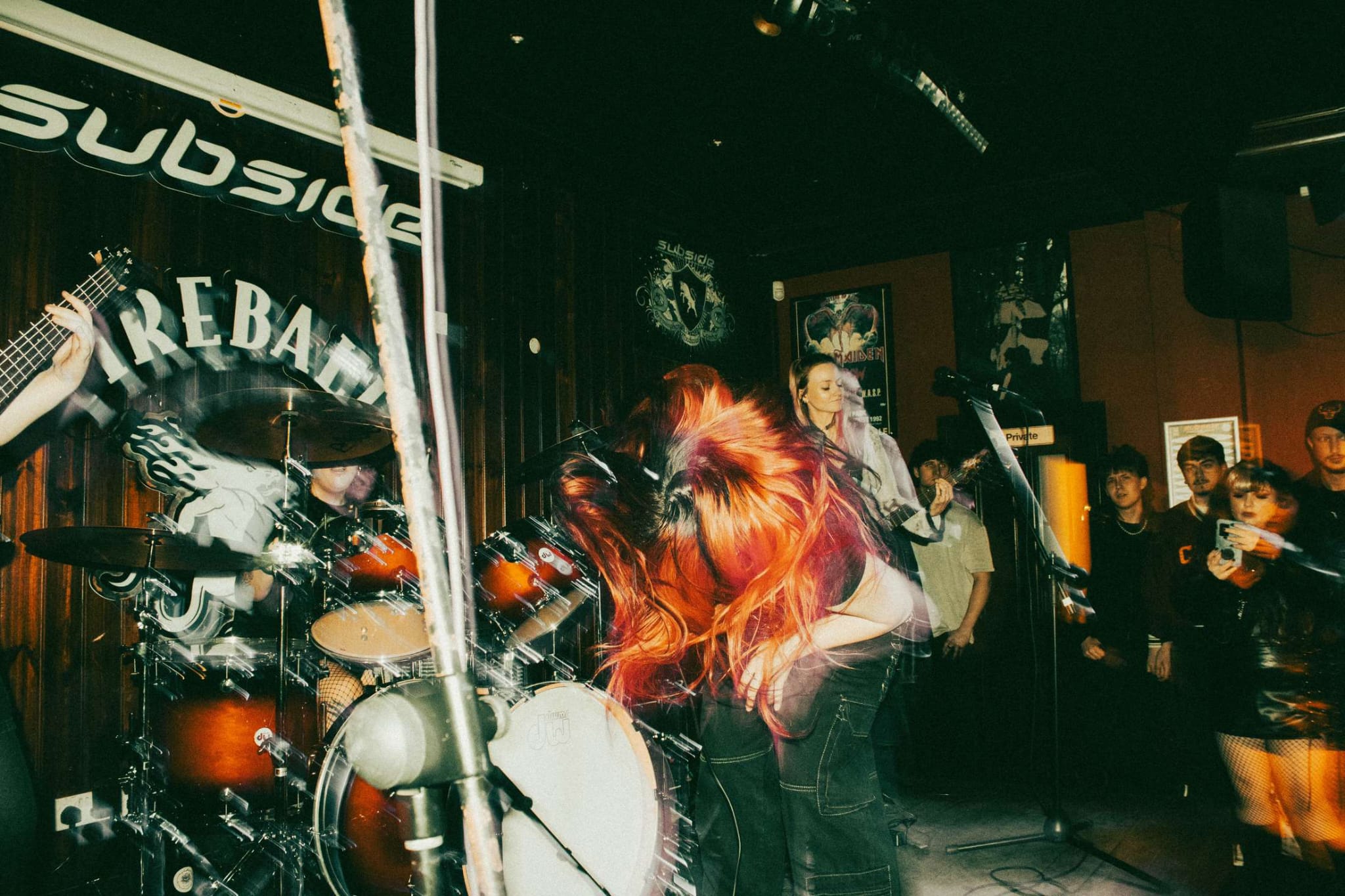
With Digbeth being a cultural epicentre for not only its Industrial history but a thriving local music scene, Ethan Noble had the joy of experiencing CHERRYDEAD’s first headline at Subside bar, alongside Amethyst opening the night with their first gig as a band.

Subside is a communal ground for the alternative community night scene, frequently hosting local band performances and concert afterparties. 

Amethyst began the night with an instrumental backing track that instantly set the band’s vibe, a cinematic blend of overcoming darkness. Instrumentally the bands single Daydreaming had me hooked from its beginning riff, with the vocals a blend of singing and raw shouting giving ode to the likes of Spiritbox with great success. The instrumental talent of the band is clear, with the lasting effect of the lead guitarist’s ability to both play melodically and shred. 

For their first gig the band was clearly rehearsed and ready, however sadly due to a lack of crowd interaction, the song titles or band members names were not stated, a learning point for the band for their future gigs. The drummer of the band was the standout for me with his energy and power behind the kit was the standout for me, leaving me energised and ready for the coming acts. 

CHERRYDEAD is a “female fronted metal band making music to express all the anger and sadness you can’t”, bringing an infectious energy that has instantly jolted the band’s image into the local metal scene. 

With many local gigs under their belt, their headline set was a welcome addition, they band clearly know what they’re doing. A Gen Z approach to the likes of ‘Kittie’ and ‘Garbage’, CHERRYDEAD entered their first headline having already built a noticeable audience. Their performance of their newest single Ensnared was an instant standout, described as “a sultry jam” the instrumental and vocals perfectly mixed to bring a unique vibe to Subside. 

 Forsaken Land shows the originality of the band’s approach to metal, with each members having their moment in the spotlight. Keira’s blasting of the drums matched the anger of the track coupled with stylish yet tasteful fills, showing the power the band is capable of unleashing. The solo bass sections offered a satisfying dynamic shift that displayed Kelly’s precision and talent in her playing.  Evie’s playing brought fluid fluctuation from sludgy riffs to ominous lead lines hooked me into the music, her playing leading the instrumental force of CHERRYDEAD.

 Whilst the band work together incredibly well, their energy on stage can somewhat be overshadowed by Emily’s stage presence, a definite standout of the night. She took full advantage of both stage and audience, with her balance of singing and screaming alongside a charismatic stage presence fully encapsulating the crowd. The performance will continue to bring me to future CHERRYDEAD shows.

CHERRYDEAD

AMETHYST

(EN)