
ACM and Andertons Music Company join forces to launch Generation

ACM and Andertons Music Company join forces to launch Generation Play, giving Surrey’s young musicians the chance to find their sound

This new partnership will provide fully funded music scholarships, free instruments and live performance opportunities for young people across Surrey

Two of Guildford’s best-known musical institutions, the Academy of Contemporary Music (ACM) and Andertons Music Company, have joined forces to launch Generation Play: an exciting new initiative designed to inspire the next generation of musicians and make music education more accessible to young people across Surrey.

The partnership will give 10 young people aged 12 to 17 the opportunity to develop their musical potential through fully funded scholarships at ACM Unlocked in Guildford, with no previous musical experience required.

Bringing together ACM’s expertise in contemporary music education and Andertons’ long-standing commitment to ‘Making Musicians’, Generation Play will help aspiring musicians build their skills, grow in confidence and discover the excitement of playing music together.

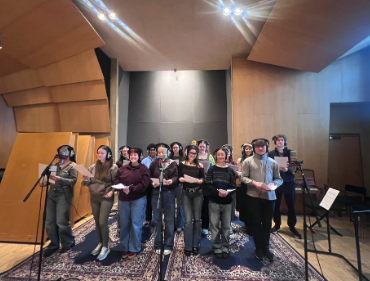
Across two 10-week terms, participants will receive instrumental or vocal tuition, collaborate with other young musicians, form bands and work towards a live performance, developing their own sound along the way.

Andertons will also be providing free instruments for students who are new to music, alongside vouchers for existing players to spend on pedals, amplifiers, accessories and upgrades. Students will be able to keep their instruments and equipment on completion of the programme. Andertons will also offer expert advice and instrument servicing throughout their musical journey.

“Creative talent is everywhere, but opportunity isn’t. At ACM, we believe every young person should have the opportunity to explore their creativity, develop their musical skills and discover their potential. Access to instruments, resources and the right opportunities can make a real difference in helping young people take their first steps in music.

“Thanks to our partnership with Andertons, Generation Play will help young people across Surrey access instruments and creative opportunities through our brilliant Unlocked programme for 12–17-year-olds. We’re incredibly grateful for their support and hope this initiative will open doors to further opportunities, inspiring young people to continue developing their musical interests and creative education for years to come,” explains Gordon Sweeney, CEO of ACM.

“We’re delighted to be working with ACM on this partnership, bringing the joy of making music to young people in Guildford, who may not otherwise have the opportunity. Our company motto is ‘Making Musicians Since 1964’, so this is a wonderful way to bring that to life even further. Surrey, and particularly Guildford, has a thriving music scene, and we’re excited to support the next generation of musicians with sponsored places, instruments and everything they need to get started. Who knows – we may have the next Eric Clapton on our hands!” says Lee Anderton, Managing Partner at Andertons Music Company.

Whether completely new to music or already playing an instrument, Generation Play is open to young people with a passion for music and a desire to learn. Successful applicants will receive:

  • Fully funded tuition: A scholarship covering two 10-week terms at ACM Unlocked, running from January to June 2027.
  • Instruments and equipment: Free instruments for beginners, plus vouchers each term for existing musicians to spend on accessories and upgrades. All instruments and equipment provided can be kept by students on completion of the programme.
  • A chance to take to the stage: The opportunity to perform live at one of Guildford’s iconic music venues in summer 2027.
  • Expert guidance: Ongoing support and exclusive masterclasses from an incredible array of musicians.

Applications are now open to young people and their parents or guardians via the ACM Unlocked x Andertons sign-up page. The deadline for applications is 14 December 2026, with 10 students selected to join the programme in January 2027.

Sessions will take place on Wednesday evenings at ACM Unlocked in Guildford.
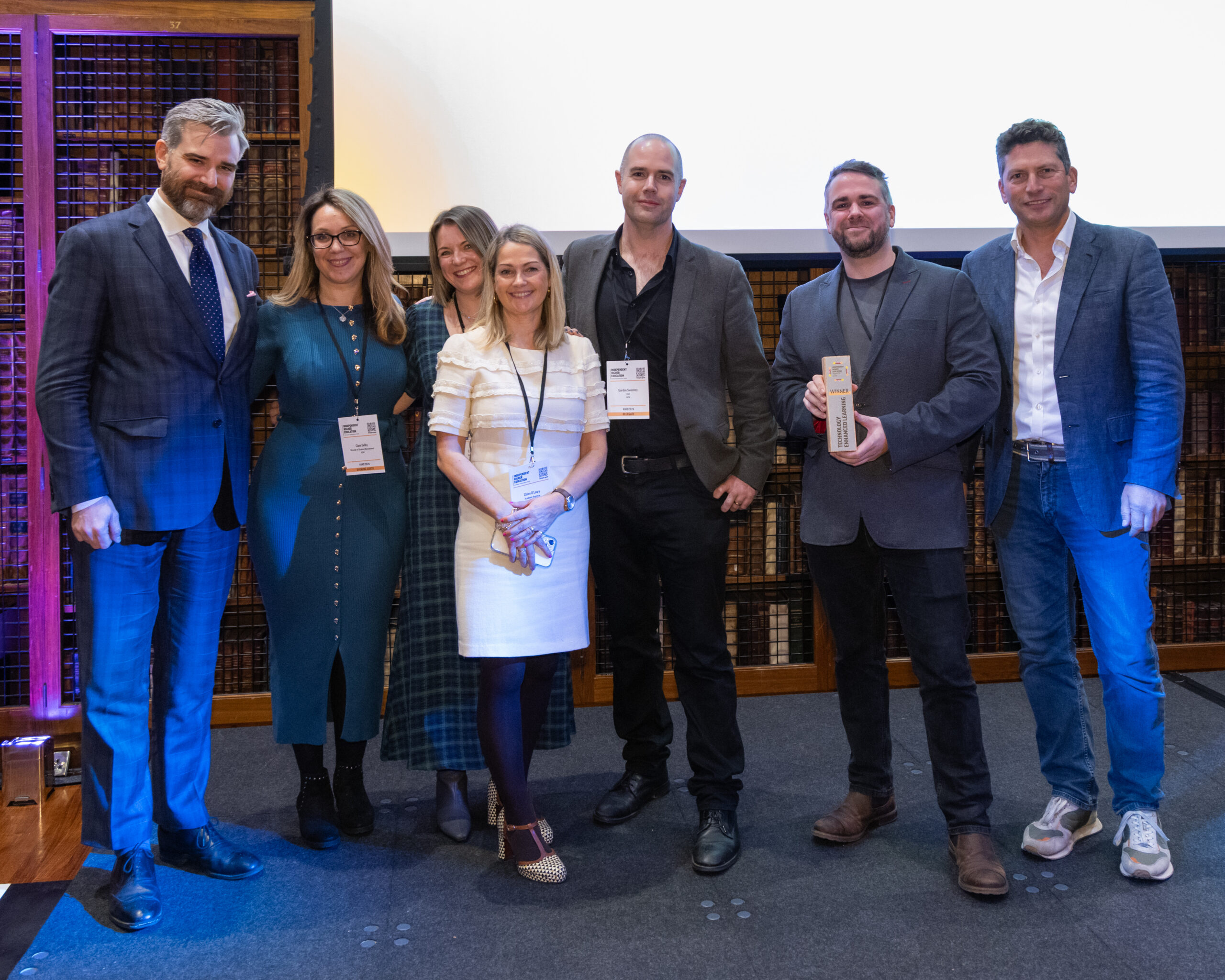
ACM Wins Technology Enhanced Learning at the 2026 IHE Awards

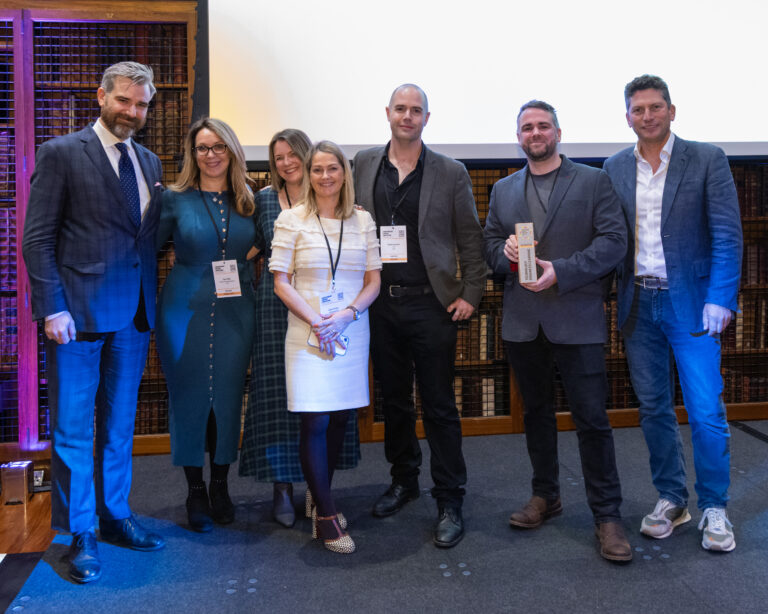
We’re proud to announce that we’ve won the Technology Enhanced Learning award at the 2026 IHE Awards.

At ACM, we believe innovation isn’t about adopting technology for technology’s sake. It’s about rethinking how education works, creating more flexible and connected learning experiences, and equipping students with the specialist digital capabilities to thrive in an evolving creative industries landscape.

Gordon Sweeney, CEO of ACM, said:

“This award recognises an important part of our ambition at ACM. We’re not simply looking at how technology can enhance the student learning experience; we’re also committed to contributing to the technological advancement of the industries we serve.

Through our work in knowledge exchange, research and industry collaboration, we’re helping to develop new technologies, ideas and practices that have relevance beyond our own institution. We see education and industry as intrinsically connected, and believe that the most meaningful innovation happens when both are evolving together.”

A huge thank you to the teams across ACM whose vision, expertise and commitment to continuous innovation make this possible.

ACM Creative Industries Futures Symposium 2026 – Call for Contributions

Theme: Technologies, Tools, and Transformations.

Date: 11th June 2026

Venue: Rich Mix. 35-47 Bethnal Grn Rd, London E1 6LA

Venue Website

The Creative Industries Futures Symposium invites academics, industry professionals, researchers, practitioners and students to contribute to our fourth annual event.

This year’s theme, Technologies, Tools, and Transformations, explores the integration and application of innovative technologies within the creative industries/practices, spanning music, games, film, and beyond.

ACM’s Creative Industries Futures offers a unique platform for the exchange of ideas, best practices, and cutting-edge research, fostering collaboration between academia and industry. We welcome submissions that engage with the theme from diverse perspectives, exploring topics such as:

  • Recent impact of technological advancements on industry practices
  • The role of technology in shaping the future of creative industries
  • Technologies as agents or inhibitors in creative practice
  • Technologies and tools as paradigm disruptors (intentional or accidental)
  • The development of new music-making tools: instruments, tools, periphery apparatuses.
  • Innovative developments in software/hardware
  • The evolution of technology and education

Types of Contribution

We invite submissions for the following formats:

  1. Research Presentations
    • Abstracts of 250-300 words outlining your research, project, or findings related to the theme.
    • Presentations should be approx. 20 minutes in length, followed by a short Q&A session.
  2. Panel Discussions
    • Proposals for engaging panel discussions (4–5 panellists) on critical issues affecting the creative industries and education.
    • Panels should encourage interaction with the audience and cover a variety of viewpoints on the theme.
  3. Workshops/Interactive Sessions
    • Proposals for hands-on workshops or interactive sessions that allow participants to explore practical aspects of the creative industries (desired length of workshop should be provided in proposal).
    • Workshops should provide takeaways or skills that attendees can apply in their own work or studies.
  4. Industry Case Studies
    • Submissions from industry professionals detailing real-world applications of innovative technologies in the creative sector.
    • These case studies should highlight specific collaborations, projects, or initiatives that have advanced the sector or related practices.

Submission Guidelines

Please submit your contributions through the symposium’s submission portal All submissions should include:

  • A title for your presentation, panel, or workshop
  • A 250–300 word abstract describing your contribution
  • Names, affiliations, and bios of all contributors (up to 5 participants for panel discussions)
  • Audio-visual or other technical requirements (if applicable)

We welcome submissions from a diverse range of contributors, including academics, educators, industry professionals, and students. All selected contributions will be reviewed by a peer panel for relevance, originality, and engagement with the theme.

Key Dates

UPDATE: Extension for submissions, round two deadline 30/04/2026 notification of acceptance note by 07/05/2026

  • Call for Contributions Deadline: 2nd April
  • Notification of Acceptance: 14th April
  • Event Date: 11th June 2026

We look forward to your contributions to this dynamic, thought-provoking symposium!

Proposal Submission Portal

Submissions Portal

For any additional queries please contact: symposiums@acm.ac.uk

ACM Partners with The Ivors Academy!

We’re delighted to announce our new partnership with Ivors Academy! All Creative Artist, Producer Songwriters, and Composition students now receive a free Early Careers Membership. The Ivors Academy, home to iconic songwriters like Raye, Skepta, Lana Del Rey, and ACM’s own senior lecturer Tim Hawes, empowers songwriters and composers with unparalleled resources and opportunities.

Students will gain access to networking events, masterclasses, songwriting camps, and more—including the chance to apply for The Ivors Academy Scholarship and compete in The Ivors Rising Star Award with Amazon Music UK. Stay tuned for updates on our upcoming Ivors Academy-led masterclasses in the new year!

Take the first step toward your future—apply to ACM today!

A Brief History Of UK Dance Music

For a tiny island, the UK has incubated and exported a vast quantity of cultural phenomena; none so prevalent today as dance music. From acid house, hardcore and rave to jungle, UK garage and drum & bass, we’ve put together a whistlestop tour of the UK’s electronic dance music evolution. 

1988: Acid House

It’s worth noting that this is by no means a comprehensive history or list of UK dance music. For the purpose of this discussion, we’ll pick things up from the moment that UK dance music truly came into its own; the Second Summer of Love, 1988. What is widely recognised as the moment of total inception here in the UK, the long hot summer opened ravers’ eyes to the potential of long nights dancing their cares away. The soundtrack to these hedonistic adventures? Acid house, of course.

Despite its roots in Chicago, acid house blossomed in the UK. The genre found fertile ground in the UK’s underground scene, where its hypnotic beats, synthetic melodies and the iconic squelch of the Roland TB-303 captured the imagination of a generation. Clubs like The Haçienda in Manchester and Shoom in London became the epicentres of this musical revolution, drawing crowds eager to lose themselves to the music and reach for the lasers.

As far as tunes go, “Oochy Koochy” by Baby Ford is an acid house classic. Released in 1988, it boasts a plethora of tropes commonly associated with the genre, including the unmistakable 303 bass lines and punchy kicks. The track’s infectious groove made it a hit among ravers and solidified acid house’s place in UK music history.

Baby Ford – Oochy Koochy

1989: UK Techno

Despite its origins in Detroit, Techno found its second home here in the UK. The UK techno scene of the late 80s and early 90s was game-changing, leaving a sizeable imprint on the electronic music scene worldwide. Following the acid house craze of the late ’80s, UK techno carved its own path with a raw, punchy, industrial sound. Clubs like Rage at Heaven saw artists like Aphex Twin, LFO, and 808 State breaking new ground with their blend of industrial beats, intricate rhythms, and mind-bending sounds.

Labels like Warp Records played a key part in the nurturing of the genre, with cities like Birmingham and Sheffield contributing to the scene’s diversity. Birmingham, for instance, became known for its relentless, industrial techno style, championed by artists like Surgeon and Regis. The early ’90s UK techno scene was characterised by a DIY ethos, underground raves, and a strong sense of community, which together laid the foundation for the global techno culture that followed.

LFO – LFO (Leeds warehouse mix)

1990: Rave & Hardcore

From the irresistible charm of acid house and techno came breakbeat hardcore, igniting the dance with energetically chopped drum breaks, four-to-the-floor kicks and euphoric pianos. Taking the energy of techno and acid house to new heights, breakbeat hardcore, or rave as it was often known, became the soundtrack to the illegal raves that defined the early ’90s UK dance scene. These raves, often held in abandoned warehouses and remote fields, were a breeding ground for musical experimentation and communal ecstasy.

Total Confusion by A Homeboy, A Hippie & A Funki Dredd epitomises the genre, capturing the raw, high-energy vibe of early ’90s raves with its euphoric introduction, stabby breakdowns and tribal-esque vocal samples taking the listener on a real journey.

A Homeboy, A Hippie & A Funki Dredd – Total Confusion (Heavenly Mix)

1991: Jungle

As is the case with every point in this discussion, the history of jungle music could be an article on its own (in fact, it is). For the sake of brevity though, we’ll keep it short and sweet. 

The progression from rave and hardcore to early jungle can be boiled down to two distinct factors: a shift in tempo and the movement away from four-by-four kick patterns in favour of syncopated drum breaks, meticulously engineered snare rolls and deep rumbling bass lines. Jungle music emerged in the early ’90s as a darker, more complex evolution of the rave scene, with influences from reggae, hip-hop, and funk. This genre quickly became a staple of the UK underground.

Dead Dred – Dred Bass

Early-Mid 1990s: UK Garage (UKG)

As jungle matured, a new, equally energetic sound emerged from the streets of the mid-1990s; this bubbly genre would soon come to be known as UK Garage (UKG). UK Garage fused the soulful, vocal-driven elements of American garage with a distinctive British twist, incorporating elements of R&B, jungle, and house. The result was a sound characterised by shuffled rhythms, syncopated beats, and bubbling basslines. A step away from the somewhat in-your-face reputation jungle had earned itself, garage was all about bouncy vibes, club-ready rhythms, champagne and glowsticks. 

Much like jungle, UK garage both informed and reflected the identities of its following. Slowly but surely, garage made its way into the mainstream consciousness, blossoming from an underground phenomenon into a cultural movement that influenced not only music, but fashion and art worldwide. As it gained popularity, UK garage became synonymous with the vibrant nightlife of the late 90s and early 2000s, dominating clubs and radio stations across the country.

MJ Cole – Sincere ft Jay Dee, Nova Caspar

Mid 1990s: Drum & Bass

Before we continue, it’s worth clarifying that the difference between jungle and drum & bass has long been a point of contention among fans. While many argue that the terms are interchangeable, with the distinction only being applied retrospectively, it is mostly agreed that drum & bass existed as a development of jungle.

Taking the complex breakbeats and subby basslines of jungle and stripping back to produce a more polished, high-energy sound, drum & bass gained mainstream recognition. Higher tempos of 170 bpm and above, combined with lighter samples than its predecessor, gained drum & bass mainstream attention and it soon found its way into clubs and radio stations across the UK.

Bad Company – 4 Days

Mid-Late 1990s: Trance

Make no mistake, the UK wasn’t just exporting club-ready rhythms in the 90s; DJs were sourcing their sounds from the international stage, finetuning their selections in an attempt to spin the latest and greatest from around the world. Specifically, it was the import of sounds from European clubs that saw trance step into the limelight.

A genre born from the German dancefloors and Euro-raves of the early 90s, trance blossomed into the most popular dance genre in the UK during the mid to late nineties and early noughties. In the early days, labels such as Hooj Tunes and Platipus Records defined the UK sound, giving artists and producers a platform for their craft. As the decade progressed, larger labels such as Ministry of Sound pushed the genre into mainstream consciousness, with DJs and producers like Pete Tong, Sasha and Digweed all flying the flag for trance. 

Characterised by climactic build-ups, other-worldly arpeggiated synth lines and kick drums that cut to the core, trance built a devoted following that still stands strong decades later.

Sasha & Digweed Northern Exposure

The Resurgence Of Rave

Ask any house-head, junglist or two-stepping garage lover, and they’ll tell you that dance music will never die. From breakbeat to gabba, dubstep to drum & bass, the UK scene is constantly evolving and reinterpreting itself, reflecting and informing the tastes of younger generations everywhere. Whether it’s Korea’s bubbling jungle scene, or New York’s love for old-school speed garage, UK dance music can be heard around the world, creeping into clubs and dominating dance floors. 


Here at ACM, we’re proud to nurture the next generation of creative talent, providing the expertise and resources required for students to innovate, experiment and carve their way within the future of music. Discover our range of courses and kickstart your journey today.

10 LGBTQ+ Venues In London

London plays host to some of the best LGBTQ+ club nights in the world, with a selection of safe and inclusive spaces offering live music and performances every night of the week. If you’re on the hunt for a great night out, here are 10 LGBTQ+ venues in London to keep on your radar.

Heaven

What? A cornerstone of London’s LGBTQ+ scene, Heaven first opened its doors to clubbers and party lovers in 1979, offering an energetic escape from Thatcher’s Britain. Bold, brave and unashamedly hedonistic, Heaven was the city’s answer to New York clubs such as Studio 54 and the Limelight. Today, the venue hosts a diverse selection of club nights, gigs and live shows, proudly toting its status as central London’s only 1,000-capacity venue.

Where? Under The Arches, Villiers Street, London, WC2N 6NG

When? The legendary space opens its doors to clubbers from 11:00 pm until 5:00 am, Thursday to Monday. 

Royal Vauxhall Tavern

What? A Victorian inn turned LGBTQ+ cabaret venue, the Royal Vauxhall Tavern sits at the centre of South London’s queer landscape. Open 7 nights a week, with a centre stage, high-end sound system and lighting setup, the space has time and time again proved itself to be more than just a venue. Winning numerous awards, including Best LGBTQ+ Cabaret Venue, the Royal Vauxhall Tavern is as intimate as it is exciting.

Where? 372 Kennington Ln, London SE11 5HY

When? The Royal Vauxhall is open 7 days a week, with full opening hours visible on their site.

Dalston Superstore

What? An East London favourite, Dalston Superstore is a bustling bar, club and cafe rolled into one. Known for its array of LGBTQ+ friendly events, the venue offers all manner of extravagant delights, including drag brunches, art exhibitions and club nights. With a welcoming atmosphere that celebrates diversity, Dalston Superstore is a hotspot for both locals and visitors.

Where? 117 Kingsland High Street, London, E8 2PB

When? Open seven days a week, with events and club nights running until the early hours on weekends.

Eagle London

What? Eagle London is a historic LGBTQ+ venue situated in Vauxhall, with a longstanding rep for an inclusive atmosphere and vibrant parties. Boasting a range of themed events, including the legendary Horse Meat Disco, you’re never far from a night of surprise and excitement at Eagle. With no shortage of disco balls or cocktails, Eagle London provides a welcoming space for the LGBTQ+ community to come together and celebrate.

Where? 349 Kennington Lane, London, SE11 5QY

When? Open Wednesday to Sunday, with events and club nights that keep the energy high well into the night.

Village Soho

What? Eternally youthful and gloriously flamboyant (in their own words), Village Soho is another of London’s original LGBTQ+ spaces, celebrated for its lively atmosphere and diverse crowd. Since opening in 1991, the venue has become a favourite among locals and visitors alike, offering a mix of live music, DJ sets, and themed nights.

Where? 81 Wardour Street, London, W1D 6QD

When? Village Soho is open every day, with extended hours from Thursday to Saturday for late-night festivities.

SHE Soho

What? It would feel wrong to discuss London’s LGBTQ+ scene without mentioning the city’s only dedicated lesbian bar; SHE Soho exists as a safe and welcoming space for queer women, non-binary individuals and friends. Known for its Wednesday drag karaoke, Thursday hip hop R&B dance hall, and occasional Monday pub quizzes, there’s no shortage of entertainment in this stylish subterranean bar.

Where? 23a Old Compton Street, London, W1D 5JL

When? Open daily, with various events throughout the week to suit every taste.

Two Brewers

What? Mention Two Brewers to any seasoned clubgoer, and they’ll tell you stories of lively drag cabaret shows, themed parties and night-long celebrations. Sat slap bang in the centre of Clapham, this is one of London’s most iconic LGBTQ+ venues, earning the space a number of awards, including the title of “Best LGBTQ+ Pub” in Britain. 

Where? 114 Clapham High Street, London, SW4 7UJ

When? Open weekdays from 5, with extended hours on weekends for early starts and late-night celebrations.

Freedom Bar Soho

What? Sleek, stylish and sophisticated, Freedom Bar is a staple of any Soho night out. A big name in London’s LGBTQ+ scene for over two decades, Freedom is loved for its theatrical ambience and luxurious decor, offering a mix of live cabaret, burlesque shows, and world-class DJ sets. Whether you’re looking for an intimate night out with friends or a high-energy party experience, Freedom Bar attracts a lively and diverse crowd, including many West End performers.

Where? 60-66 Wardour Street, London, W1F 0TA

When? Open Monday to Saturday from 4:00 PM to 3:00 AM, and Sunday from 2:00 PM to 10:30 PM.

Bethnal Green Working Men’s Club

What: As far as venues go, Bethnal Green Working Men’s Club is an East End icon. Celebrated for its old-school aesthetic and welcoming atmosphere, the space’s wood-panelled walls and checkerboard floors set the scene for drag nights, burlesque shows, karaoke, comedy, and DJ sets.

Where? 42-46 Pollard Row, London, E2 6NB

When? Bethnal Green Working Men’s Club is open Wednesday to Saturday, with hours varying depending on the event.

Circa Embankment

What? Last but by no means least is Circa Embankment. Nestled in the historic Hungerford House, this is the go-to spot for an unforgettable night out in Central London. Whether you’re into house, R&B classics, live DJ sets or simply fancy a cocktail, an endearing amalgamation of industrial chic and original Grade II listed arches create a stunning backdrop for high-energy club nights and memory-making.

Where? Hungerford House, Victoria Embankment, London, WC2N 6PA

When? Open every Friday and Saturday from 10:00 PM to 4:00 AM.
Looking to take your first steps into the world of music? Why not study at our new campus in the heart of London? Whether you’re looking to take your first steps into professional composition, performance or production, discover why so many choose to begin their journeys at ACM today.

Postgraduate End of Year Showcase

This year’s showcase featured four presenters; Javina Greene, Tobias Briggs, Luke Jeer, and, joining live from South Africa, Courtney Farrant. These wonderful students shared their diverse and engaging research themes with our live and digital audience and were a fantastic example of the creativity and innovation at the heart of ACM.

The event was more than just a platform for academic discourse, it was a celebration of the forward-thinking ideas and groundbreaking projects that were are sure will make positive impact in the future creative industries. From exploring the future of creative education and amplifying the voices of women in music, to designing cutting-edge synthesisers for music production, the presentations offered a compelling look at where the industry is heading and what creatives can do to remain agile and forward-facing.

What made this showcase particularly special was the blend of formal presentations with more informal, yet equally enlightening, armchair discussions and interviews. These moments provided deeper insights into the personal journeys of the presenters and the passions that drive their research. It was clear from the discussions that these individuals are not just contributing to academic knowledge; they are poised to become influential leaders in their respective fields.

The showcase was a testament to the depth of talent within ACM’s postgraduate school. The innovative spirit and intellectual rigor on display left no doubt that these presenters are on the path to becoming key figures in the creative industries. Their work really did exemplify what is possible when passion, creativity, and academic excellence converge.

As we look to the future, the insights and innovations shared at this event leave us hugely excited for how our Alumni will continue to contribute to the ever-evolving creative industries. The ACM Postgraduate Showcase is not just a reflection of current research, it is a preview of the future leaders who will shape the creative landscape for years to come. We are proud of the achievements of these presenters and eagerly await the impact they will undoubtedly have on the world.

If you missed this wonderful event, you can watch back the livestream here: 

Interested in a Masters course at ACM? Check out our postgraduate courses here: /postgraduate/

Top 5 Video Game Soundtracks Of All Time

Video game music is so much more than background noise. It is a storyteller in itself, enhancing narratives, conjuring emotions and immersing players in otherworldly adventures. From the humble beginnings of 8-bit chiptunes to the complex and immersive orchestral scores of today, video game soundtracks have played a pivotal role in shaping the emotional and atmospheric depth of games.

Here are five of our favourites.

What Makes A Great Soundtrack?

Before we dive in, it’s worth clarifying that this list is by no means exhaustive, nor comprehensive. Music is a subjective art, after all, and it would feel somewhat hypocritical to say that any one composition is ‘better’ than another.

In order to compile our favourites, we considered the following criteria:

Cultural Impact

Soundtracks that have left an indelible mark on both the gaming industry and popular culture. So much so that many compositions have resonated with audiences beyond the gaming world, influencing other media and becoming iconic in their own right.

Musical Quality

Now, the ‘quality’ of any music is entirely subjective, so we’re sticking to composition, arrangement, and performance. This includes the use of innovative techniques, memorable melodies and the ways in which the score enhances the overall experience of the game.

Diversity in Genres

With so much incredible music out there, we wanted to include a variety styles to showcase the richness and versatility of video game music. The following list ranges from orchestral scores to electronic music and everything in between.

Legacy and Influence 

Many soundtracks have become legendary in their own right. Therefore, our selection considers the long-term impact of the soundtrack on the gaming industry and music community. This includes its influence on future video game scores and its continued popularity and recognition among gamers and music enthusiasts

In no particular order, here are five of the greatest video game soundtracks of all time:

The Legend of Zelda: Ocarina of Time (1998) – Koji Kondo

Released in 1998, The Legend of Zelda: Ocarina of Time is widely considered one of the greatest video games of all time; the game’s soundtrack certainly plays a significant role in its enduring legacy. Composed by Koji Kondo, the music of Ocarina of Time is loved for its memorable melodies and, most notably, the introduction of the ocarina as a key gameplay element.

Throughout the game, players learn and recite various songs on this instrument, each with its own magical effects, directly tying the music to the game’s mechanics. Themes like “Zelda’s Lullaby,” “Epona’s Song,” and “Gerudo Valley” have become iconic within the gaming community

https://www.youtube.com/watch?v=N22STVAxL5M&list=PLAs1Kha_R9dLUSxTSb4wLHen4MAQDRIZ_

Nier: Automata (2017) – Keiichi Okabe, Keigo Hoashi, Kuniyuki Takahashi

Fast forward nearly two decades, and Nier: Automata captured gamers’ hearts with its profound narrative, stunning visual development, and exceptional soundtrack. Composed by Keiichi Okabe, Keigo Hoashi, and Kuniyuki Takahashi, the music of Nier: Automata features a mix of orchestral, choral, and electronic elements that transition seamlessly with gameplay, adapting to the player’s actions and the game’s environment. This, coupled with the game’s emotional depth and atmospheric quality, lends itself to a truly immersive soundscape.

Red Dead Redemption 2 (2018) – Woody Jackson

Set in the United States at the turn of the 20th century, Red Dead Redemption 2 transports gamers to a fictional world of outlaws, cowboys, bandits and gunslingers. The game’s breathtaking cinematics and immersive landscapes are elevated to the point of wonder by Woody Jackson’s evocative soundtrack, vividly bringing to life the rugged, untamed essence of the American frontier. Each and every composition adds to the game’s overall narrative feel, underscoring pivotal moments with emotion that pulls players deeper into the story. The music doesn’t just accompany the game; it elevates the entire experience, sucking players into the brutishly-beautiful world of Arthur Morgan and the Van der Linde gang.

https://www.youtube.com/watch?v=qHer-rGfTco&list=PLLH8sgqaTeYpfT3sb2BVDlgrsoRWj6Mxd&index=4

The Witcher 3: Wild Hunt (2015) – Marcin Przybyłowicz, Mikolai Stroinski, Percival

The Witcher 3: Wild Hunt was showered in critical acclaim for its richly detailed world and enchanting narrative, supported by an outstanding soundtrack. Composed by Marcin Przybyłowicz, Mikolai Stroinski and the Polish folk band Percival, the music of The Witcher 3 blends orchestral elements with traditional Slavic folk music, giving it a distinct and authentic regional flavour. Instruments like the hurdy-gurdy, lute, and dulcimer can be heard throughout the game.

As seasons change and day turns to night, hauntingly serene tracks such as The Fields of Ard Skellig reflect the beauty, danger and adventure that lays ahead. 

Journey (2012) – Austin Wintory

Mysterious and captivating, Journey allows players to explore an expansive desert world, full of secrets and sand. Released in 2012, the adventure game is celebrated not only for its innovative gameplay and stunning visuals, but also for its evocative soundtrack, composed by Austin Wintory.

A largely minimalist score with orchestral instrumentations, Journey’s soundtrack is as soothing as it is emotive, guiding players as they drift over dunes and explore buried ruins.

Each of the above examples serves as a testament to the profound impact that music can have on an individual’s gaming experience. These compositions do more than break the silence; they exist to elevate and immerse, transporting players to faraway lands and adding a new dimension to entertainment. 


From Austin Wintory to Koji Kondo, these composers played a pivotal role in the cementing of each game or franchise in popular consciousness. At ACM, we’re proud to nurture the next generation of talent as they define the future of music and games. Visit our course pages and unlock the door to endless creative opportunities.